
Michael Montenegro
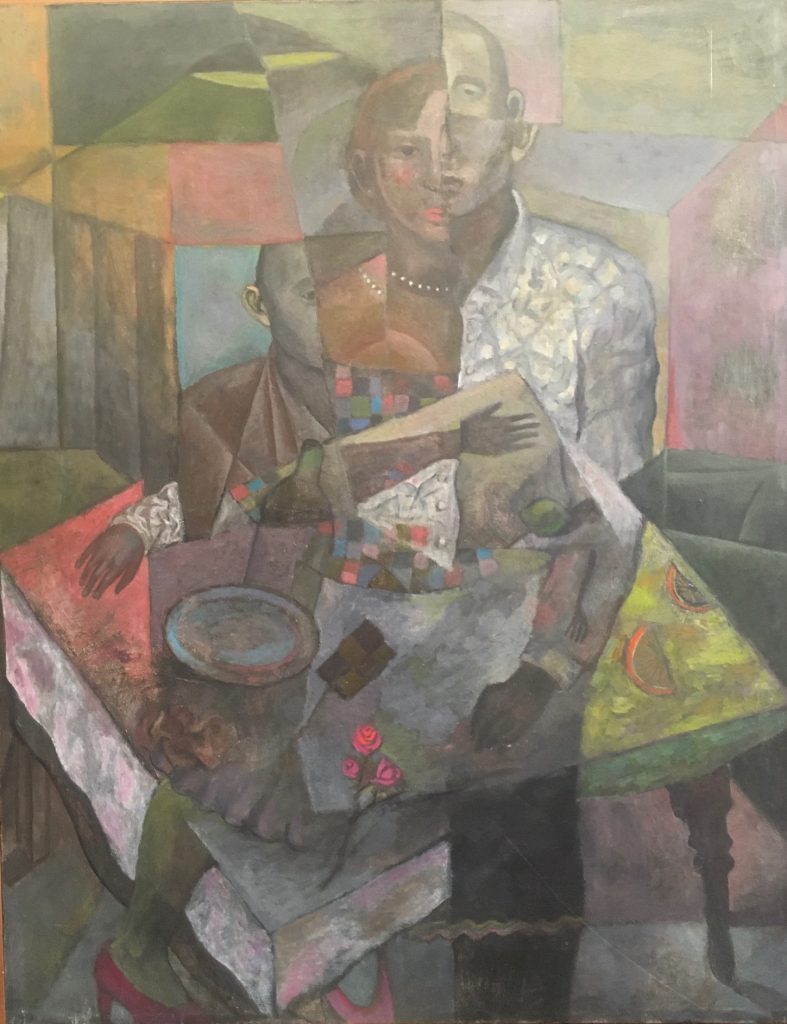
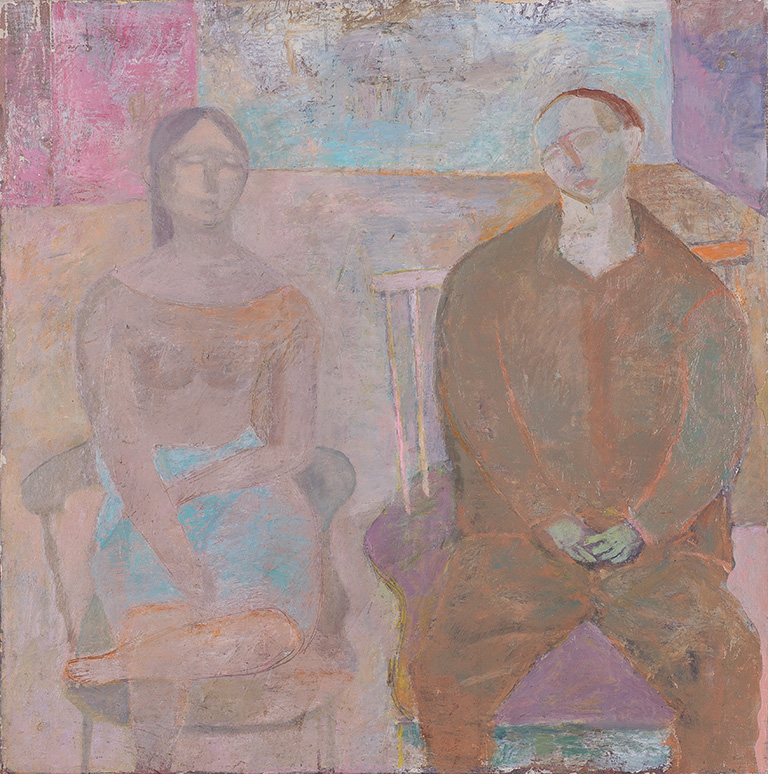
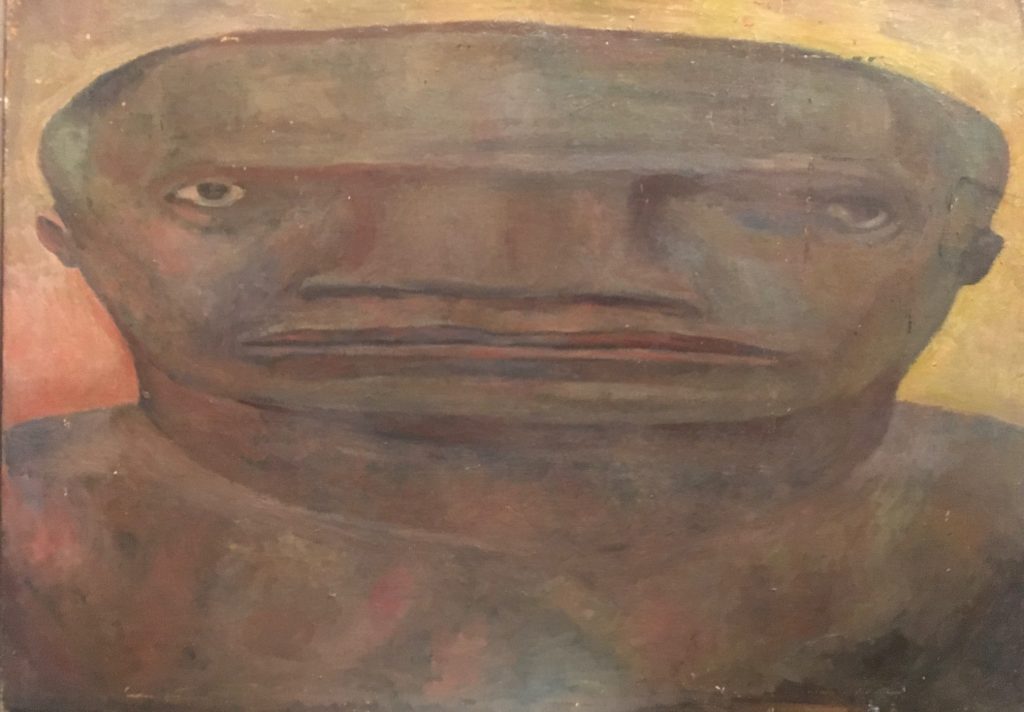
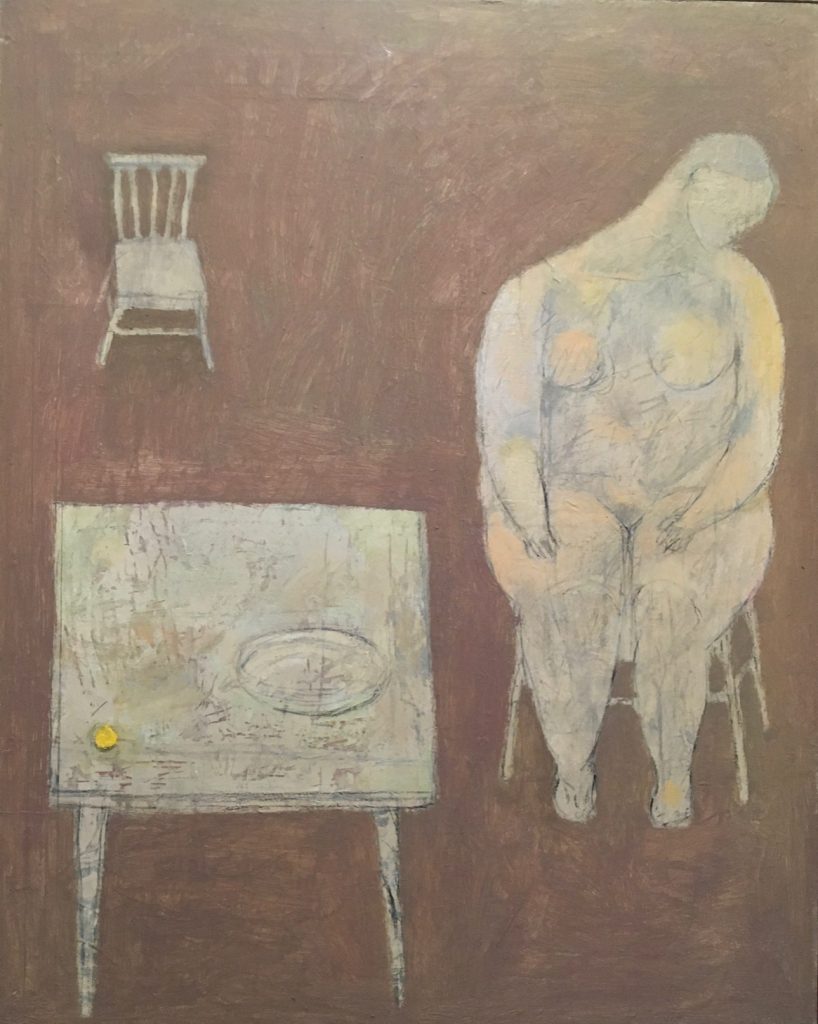
I guess I am most often in search of ways to penetrate the surface appearance of the human figure, to reveal something of the emotional landscape within. This somewhat mysterious pursuit is attempted by the arrangement of the physical composition, the color scheme, and a third element that is much less tangible. This third element cannot be defined or named, and must be invited, perhaps, since it appears of its own accord, on occasion. One must go two thirds of the way towards their goal before the last third might miraculously arrive to complete a “successful” piece.
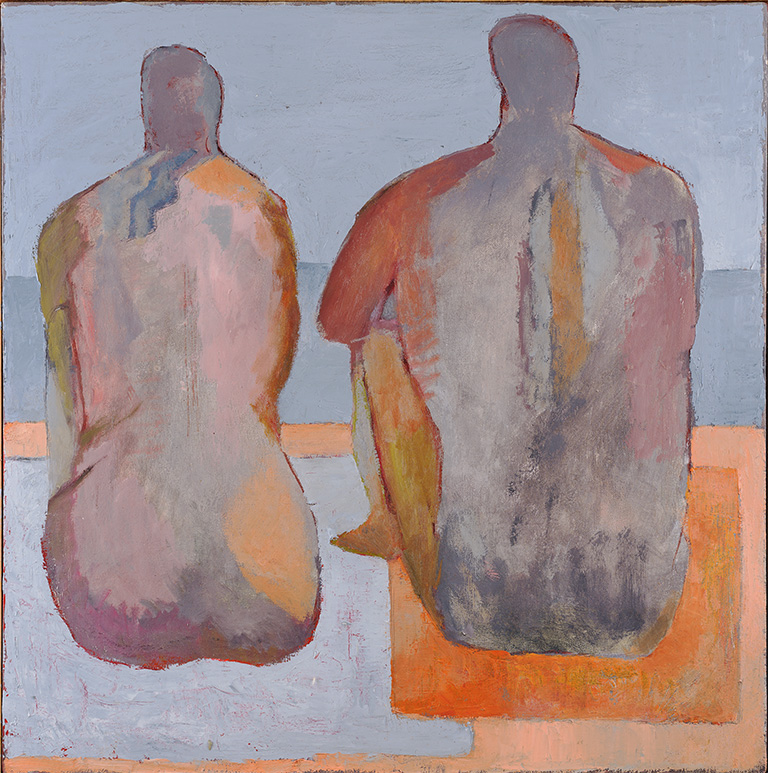
And what constitutes a “successful piece”? That work which embodies somehow that mysterious third element. So, for example, if I become obsessed with doing a painting say of a woman seated on huge rocks by the sea, what is my theme? There must be a hidden theme. What might that be? What if I can’t truthfully define the theme? I am compelled to manifest a composition using these elements: figure, stones, sea, sky. I can’t help but think the deeper theme is something deep within me that longs to be expressed, something about the mystery of a moment in Time, any moment in Time, the fragility of everything, the tentativeness of anything, yet the profound “thingness” of things, the intense “realness” of reality.
My central theme is also somewhere in the conversation between materials and subject, between viscous paint and any object, that interplay, that playfulness of transformation: how “paint”, which is simply viscous goop, miraculously suggests an object, recalls a sensation, or vision. As a wood carver might transform a stick into an old man so that suddenly it represents both stick and man, inviting the viewer’s imagination to actively play along. At other times I find myself simply playing with design, color, shape, line, contrast, balance, surprise, all to delight and energize the viewer, knowing that this exercise is endlessly enthralling and provides a mysterious healing quality that has been with Humanity forever, in the same way that Music provides mysteriously, inexplicably, some sort of internal realignment of the soul.
Perhaps painting is really about creating “magic objects” that act upon the creator and viewer alike. A scrap of canvas has “become” a magic object that functions now, not as a scrap of cloth, but as a means of transport, a “vehicle” so to speak. The marks and shapes and colors in combination have a psychological effect on the viewer. Thus the maker becomes some sort of “magician”, “conjuror”, “hypnotist”, bypassing Reason, tricking the mind to regard this scrap of canvas, now smudged with oil, as a portal. It has been transformed, and now surreptitiously evokes the viewers dreams.